Rajasthan Cab
01 Jul 2025
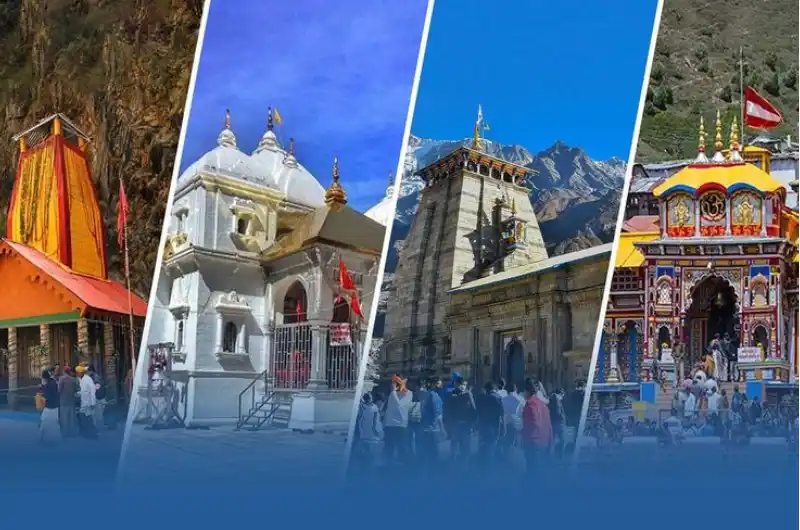
A Char Dham Yatra in 2026 is among the most religious and spiritually important pilgrimage tours in India. Millions of faithful and devout people in the country and around the world undertake this holy pilgrimage annually. Located in the Himalayan paradise of Uttarakhand, the yatra guides pilgrims through four highly sacred shrines: Yamunotri, Gangotri, Kedarnath, and Badrinath. Great Hindu deities and sacred rivers connect all these holy places with great religious significance.
Char Dham Yatra is supposed to cleanse the soul, remove past sins and guide the devotees to inner calm and spiritual satisfaction. Other than its religious significance, the trip will present the stunning and breathtaking scenery of snow-white mountains, flowing rivers, thick forests, and quiet valleys, which will be a very enriching journey to the mind and the soul.
Road infrastructure, accommodation, medical support, and transportation services have improved considerably in the last few years, and thus, pilgrimage is more accessible and safe to all age groups of travellers. As the planning options, online registration, and structured tour services are improved, the Char Dham Yatra will become less challenging, more comfortable, and well-organised in 2026, enabling the pilgrims to concentrate on nothing but devotion and spiritual development.
Char Dham Yatra is an old Hindu pilgrimage that is religious in nature. It takes you to four holy temples in the Garhwal Himalayas in Uttarakhand. There is symbolism in each of the temples, which are dedicated to a specific spiritual aspect and god. Conventionally, pilgrims begin at Yamunotri in the west and end at Badrinath in the east.
It is not just a hike up through the mountains and valleys, but it is a course of religion, self-control and inner self-reflection. Every year, people, old people included, embark on the Char Dham Yatra out of their great faith and will.
The Char Dham Yatra is extremely important in India based on Hindu beliefs and scriptures. Traditionally, one is supposed to go through the Char Dham Yatra once in a lifetime, which supposedly assists an individual in acquiring moksha, or, in other words, salvation. All of the four Dham locations are associated with great Hindu deities and holy rivers, and the pilgrimage is spiritually strong.
In addition to the religious significance, there is an Indian cultural heritage, ancient traditions and the respect for nature that the Yatra presents. The pilgrimage promotes devotion, unity, and discipline, uniting the devotees with different areas, languages, and backgrounds and a similar spiritual objective.
The Char Dham Yatra is a holy pilgrimage tour that covers four holy temples located in Uttarakhand, namely Yamunotri, Gangotri, Kedarnath, and Badrinath. All the temples are elevated on the ground in the snow-capped mountains, rivers, and woodlands. The pilgrims usually visit during the period between April and May and October or November, according to the weather.
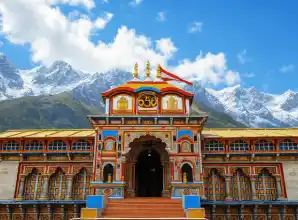
Badrinath Dham, which is a temple of Lord Vishnu, is situated on the shores of the Alaknanda River. It is the most available among the four sites and has a lot of significance in Vaishnavism. The temple is known for its colourful architecture and serene atmosphere.
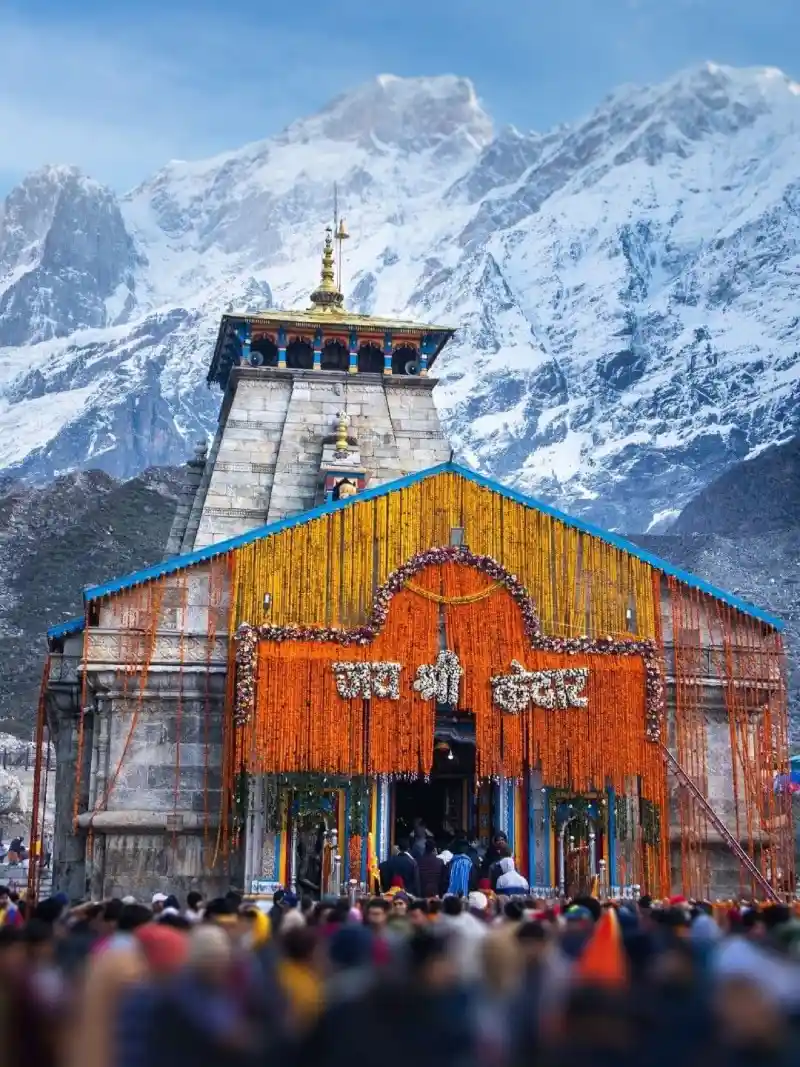
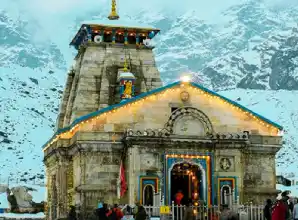
Kedarnath Dham is a place of worship of Lord Shiva; it is one of the twelve Jyotirlingas in India. Kedarnath is a high-altitude place, which is located close to the Mandakini River and is approached by either trekking or by helicopter from Gaurikund. It is known to be one of the most spiritually strong shrines in the nation.
Gangotri Dham is dedicated to the goddess Ganga and is the origin of the holy River Ganga. The temple is positioned close to the Gangotri Glacier and is enclosed by the smooth Himalayan landscape. The pilgrims go to be blessed and purified.
Yamunotri Dham is the place where Goddess Yamuna is worshipped, and it is the first place in the Char Dham Yatra. The temple is situated around the Yamunotri Glacier, and pilgrims have to walk from Janki Chatti in order to get there. Hot-water springs are a big attraction that is in the vicinity.
The Char Dham Yatra is likely to start at the end of April or the beginning of May 2026 and end approximately in October or early November. The precise first and last day of each location is declared every year, according to the Hindu calculations of the calendar and weather. Typical sequence:
First Yamunotri and Gangotri.
Kedarnath is introduced soon after.
Badrinath is the last one to open and the last one to close.
Official announcements should be checked by pilgrims before planning. For detailed information, you can visit our page Char Dham Yatra Opening & Closing Dates to know more about dates and times.
The pilgrims have to register online at the Uttarakhand government portal at registrationandtouristcare.uk.gov.in to visit the Char Dham Yatra in 2026. They are also able to reserve transport, accommodation and tour packages with registered operators after registration. It is also required that one have a valid ID and the registration confirmation when travelling. We also offer registration for Chardham while booking a Char Dham Yatra with us.
Driving is a plus since it is more flexible and comfortable for the family and the elderly. Cars are the best when there are few people, and they allow travellers to move slowly, especially when booked through Rajasthan Cab for a hassle-free journey.
Buses are relatively cheap, and they are perfect when travelling in a group. There are government as well as private buses that run during the yatra season.
Tempo travellers would suit medium groups. They have wide seats, lots of space for luggage and comfort during the long trips in the mountains.
Helicopter services are the fastest and most convenient way of undertaking the yatra. This alternative would be appropriate for old pilgrims or time-constrained ones.
Char Dham Yatra packages can be booked from any city in India. Departure points may be determined by convenience for the travellers.
Popular departure cities: Haridwar, Rishikesh, Dehradun, Delhi, Jaipur, Mumbai, Hyderabad, Chennai, Bangalore, and Ahmedabad, etc.
Day 1: Arrival, Barkot transfer
Day 2: Yamunotri darshan and back
Day 3: Travel to Uttarkashi
Day 4: Gangotri darshan
Day 5: Drive to Guptkashi
Day 6: Kedarnath darshan
Day 7: visit to Badrinath and back.
Day 1: Arrival and drive to Barkot
Day 2: Yamunotri darshan and back
Day 3: Barkot to Uttarkashi
Day 4: Gangotri darshan
Day 5: Uttarkashi to Guptkashi
Day 6: Kedarnath darshan
Day 7: Guptkashi to Badrinath
Day 8: Badrinath ecstasy and back
Day 1: Arrival and drive to Haridwar / Rishikesh
Day 2: Drive to Barkot
Day 3: Yamunotri darshan
Day 4: Barkot to Uttarkashi
Day 5: Gangotri darshan
Day 6: Uttarkashi to Guptkashi
Day 7: Kedarnath darshan
Day 8: Guptkashi to Joshimath
Day 9: Badrinath darshan
Day 10: Return journey/tour ends
Day 1: Arrival in Haridwar / Rishikesh
Day 2: Drive to Barkot
Day 3: Yamunotri darshan
Day 4: Barkot to Uttarkashi
Day 5: Gangotri darshan
Day 6: Uttarkashi to Guptkashi
Day 7: Kedarnath darshan
Day 8: Guptkashi to Joshimath
Day 9: Free time and sightseeing in Joshimath
Day 10: Badrinath darshan
Day 11: Return journey/tour ends
Day 1: Welcome to Haridwar/Rishikesh
Day 2: Drive to Barkot
Day 3: Yamunotri darshan
Day 4: Barkot to Uttarkashi
Day 5: Gangotri darshan
Day 6: Uttarkashi to Guptkashi
Day 7: Kedarnath darshan
Day 8: Guptkashi rest and sightseeing
Day 9: Guptkashi to Joshimath
Day 10: Sightseeing / stay at Joshimath
Day 11: Badrinath darshan
Day 12: Return journey/tour ends
The selection of the accommodation is a significant component of comfortable Char Dham Yatra planning. There is a diverse variety of accommodation choices available to pilgrims along the yatra route, such as low-end hotels, guesthouses, dharamsalas and mid-end hotels. The majority of the accommodations are plain, neat and fit the minimum demands of pilgrims.
Barkot is an important transit station for pilgrims visiting Yamunotri Dham. Hotels in Barkot comprise mostly of budget hotels, guesthouses and small lodges. Such stays are generally basic, with facilities like clean rooms, hot water, simple meals that are vegetarian and parking space. Barkot is the best place to stay overnight before and after the Yamunotri darshan because it is a very peaceful place, and one finds it easy to reach Janki Chatti.
Hotels List in Barkot:
Shivlinga Villa Hotel Barkot
LM Cottage
Rigveda Resort
Aswal Deluxe
Camp Nirvana Yamunotri
Hotel Alpine
Veda Cottage
Uttarkashi is a major town located between Gangotri Dham and the highway, and it has better accommodation facilities than smaller towns. Hotels in this place are either budget or mid-range. In most hotels, there are comfortable rooms, attached bathrooms, power backup, and meal facilities. Uttarkashi is a developed town, which has medical facilities, markets and means of transport, hence it is a convenient and reliable location to stay.
Hotels List in Uttarkashi:
Hotel KNB Heritage
Gomukh Hotel, Uttarkashi
Maulyar Forest Resort
Celestial Dream
Shiv Pariwar Yogic Resort
Hotel Vasudha
Raj Palace
Guptkashi is a key stopover place for pilgrims visiting Kedarnath Dham. Guptkashi has hotels that comprise budget hotels, camps and guesthouses that can be used during short stays. Simple things like warm bedding, hot water and vegan food are usually provided. Due to the height, nights may be cold, hence hotels tend to offer blankets and heaters on demand when the season is in progress.
Hotels List in Guptkashi:
Kashi Retreat
Hotel R. Narayan
Pleasant Inn
Kalawati Residency
Nature Trend Resort
The Kailash Residency
Forest Side Resort
Hotel Sajwan Palace
Joshimath is a major town in the vicinity of Badrinath Dham, and it serves as a big accommodation centre. These hotels are of all types of economic to standard hotels and are more comfortable and offer services. The majority of the hotels offer ample rooms, heating systems, food and drinks and a beautiful view of the mountains around. Joshimath is also a great place where one can acclimatise to higher altitudes.
Hotels List in Joshimath:
Devas Retreat
Sleeping Beauty Hotel
Blue Poppy Resort Auli
The Kafal
New Siddharth Hotel
The Tattva
Hotel Sapphire
GMVN Hotel
Auli Ski Resort
Badrinath is a diverse area in terms of accommodation, with hotels, guesthouses, and dharamsalas being available near the temple. These facilities are quite seasonal, and they usually work around the time of yatra. Basic and adequate facilities, such as availability of hot water, warm bedding, and simple meals, are available. The area around the temple enables pilgrims to get easy access to early-morning and evening darshan and aarti.
Hotels List in Badrinath:
Hotel Mangalam by Oxygen Hotels
Hotel Vishranti
Panchvati Inn, Badrinath ji
Hotel Ashirwad
SNR Grand, Badrinath
Hotel Laxmi Divine
In general, the pilgrim facilities all along the Char Dham Yatra trail are aimed to help in the comfort and convenience of the pilgrims, and it is highly advisable to make reservations well in advance, especially during the seasons when the number of pilgrims is more than usual.
Nothing could be as fulfilling as a safe, comfortable, and spiritual trip to the Char Dham Yatra by following simple travelling tips, particularly in the Himalayan areas, which are located at high altitudes.
The mountains have fast-changing weather. Even during summer, it may be very cold in the morning and evenings. Always come with warm clothes, a raincoat and waterproof shoes to keep off the cold and the unexpected rain.
Low oxygen is observed in high-altitude spaces. Pace is essential, and you should have frequent rest intervals and put your body into rest. Drink water and do not overstrain oneself during treks.
In case you are dizzy, breathless, or feel unwell, seek medical assistance. There are medical camps on the way to the yatra, and this is why early treatment will save your life.
Keep the environment clean, and do not use plastic. Be in line with the temple rules, be in modest dress and be disciplined during darshan and aarti.
These dos and don'ts will help pilgrims to have a good, successful Char Dham Yatra in 2026.
Its peak season is May- June and September to mid-October. During such months, the weather is predictable, the roads are generally clean, and temple darshan is smooth. The yatra is usually initiated in late April or early May when the temples are in open season and terminated in October or early November when the snowfall causes closings.
There is the threat of landslides, road blocks, and erratic weather conditions in the Himalayas due to the monsoon (July–August). Although there are still pilgrims who travel at such times, it is not safer to avoid these months. September is usually perfect, as the scenery is greener and the number of people is reduced.
Besides the four central dhams, the Char Yatra has numerous beautiful, spiritually important places. The most common starting point is Haridwar and Rishikesh, which are known as the Ganga aarti and ashrams. Uttarkashi is peaceful with temples and river scenery, whereas the spiritual and cultural town of Badrinath is located at Joshimath.
Others are the Mana Village (the final Indian village at the Tibet border), Tapt Kund at Badrinath, Bhairavnath Temple at Kedarnath and Harsil Valley at Gangotri. These are the destinations that will add value to the trip and allow pilgrims to explore the natural beauty and history of Uttarakhand.
There are medical centres along the Char Dham Yatra route, particularly during the pilgrimage season. Uttarakhand government occasionally organises medical camps, health check centers and emergency departments. The main health centres and hospitals are located in towns like Haridwar, Rishikesh, Uttarkashi, Guptkashi, Joshimath and Badrinath.
Pilgrims are advised to bring their own medicines, particularly for high blood pressure, diabetes, asthma and altitude sickness. There is availability of ambulance and emergency evacuation services, such as helicopter evacuation in the case of serious cases. The pilgrimage should not be started by older people or by people with pre-existing health conditions until they see a doctor.
The Char Dham Yatra weather is dependent on the altitude. In summer, the daytime temperatures are between 10 °C and 25 o C, and at night, the nights are very chilly. At higher altitudes such as Badrinath and Kedarnath, temperatures can fall considerably, even during summer. There are sudden rains, fog and cold winds. Government projects have improved the situation on the roads in recent years, but mountain roads could be very narrow and winding. Landslides can occur in the monsoon season, and this can be a temporary blockage to the roads. Tourists ought to incorporate extra days in their plans and keep track of weather and road warnings in the destination.
The pilgrimage depends on proper packing. Come with warm-caps, jackets, sweaters, thermals, gloves, woolly caps, even in summer. Wear good trekking shoes. Other necessities are rain gear, sunscreen, sunglasses, personal toiletries, basic first-aid, reusable water bottles, energy bars and valuable documents like ID proofs and registration slips. A power bank, a walking stick, and a small backpack will also be quite handy during the trip.
Darshan and Aarti are slightly different in each dham, but this depends on the weather and season. In general, temples are open in the morning, approximately 4:00 - 5:00 AM and are closed at about 8:00 - 9:00 PM. Breaks in between are normally observed. The most spiritually enriching moment to visit the temples is the morning and evening aartis. Badrinath and Kedarnath are particularly famous for their non-violent evening aartis. Visiting the temple, pilgrims are advised to look at local announcements or ask the administration of the temple to provide the precise schedule of their events.
By road, the Char Dham Yatra is a perfect journey for pilgrims who desire the classic, cost-effective and scenic experience. It enables tourists to go to towns, temples and natural features throughout the route. Road transportation is better for families and those who would prefer a more immersive experience.
Char Dham Yatra by Helicopter is the most recommended pilgrimage destination to pilgrims who have short durations, elderly people or those who find the experience of travelling by roads a challenge. Helicopter services help to save a lot of time and physical effort. This alternative, however, is very weather-dependent and relatively costlier. The decision will finally rely on the budget, availability of time, and comfort.
By Road: Good roads connect to Haridwar, Rishikesh, and Dehradun. Regular buses and taxis are available from major cities like Delhi and Chandigarh.
By Train: The closest railways are Haridwar and Rishikesh. Both stations are well-connected with frequent trains from major Indian cities.
By Air: The nearest airport is the Jolly Grant Airport, Dehradun. From the airport, taxis and buses are easily available to reach nearby destinations.
Discover More with These Handpicked Journeys.
Delhi – Haridwar – Barkot – Yamunotri – Barkot – Uttarkashi – Gangotri – Uttarkashi – Guptkashi – Kedarnath – Guptkashi – Badrinath – Rudraprayag – Rishikesh – Delhi
Ahmedabad – Haridwar – Barkot – Yamunotri – Uttarkashi – Gangotri – Guptkashi – Kedarnath – Haridwar – Ahmedabad
Jaipur - Haridwar - Uttarkashi - Gangotri - Yamunotri - Guptkashi - Badrinath - Rishikesh
Bangalore – Haridwar – Barkot – Yamunotri – Uttarkashi – Gangotri – Guptkashi – Kedarnath – Badrinath – Joshimath – Rudraprayag – Haridwar – Bangalore
Stay Updated on the Stories & Stay Updated
Rajasthan Cab
01 Jul 2025
Rajasthan Cab
13 May 2025
Rajasthan Cab
13 May 2025